Bookmark it at Del.icio.us
Envía esta pagina de Pesebre a un amigo
| pesebre | manger | creche | nacimiento | fontanini | crib manger| presepe | szopka | small crib | jaslice | vertep | nativity |
|
Do you like this page? Bookmark it at Del.icio.us |
 |
 |
 |
 |
 |
 |
 |
 |
 |
 |
 |
 |
|
Pesebre |
 |
|||||||||||||||||||
|
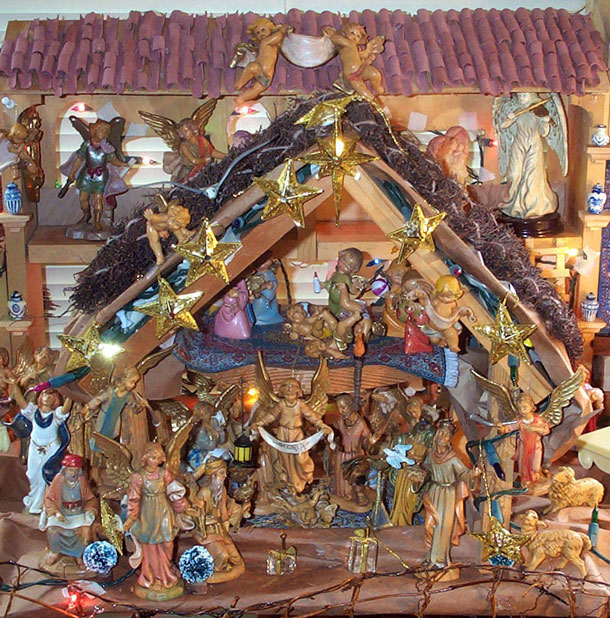
Este pesebre esta hecho con figuras de Fontanini, tiene tres niveles y tiene el pueblo de Belén |
|||||||||||||||||||
|
|||||||||||||||||||
 |
|||||||||||||||||||
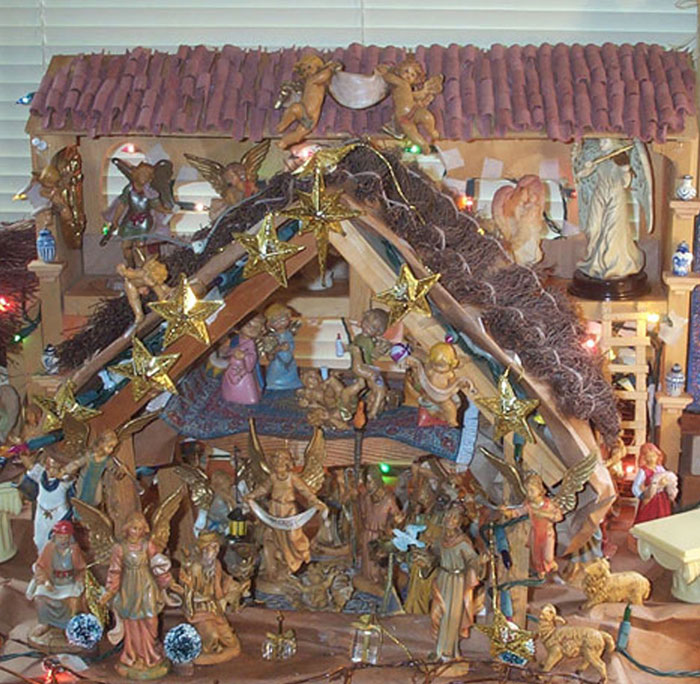
Detras del angel en el centro se pueden ver la figura de La virgen y San Jose con el niño |
|||||||||||||||||||
 |
|||||||||||||||||||
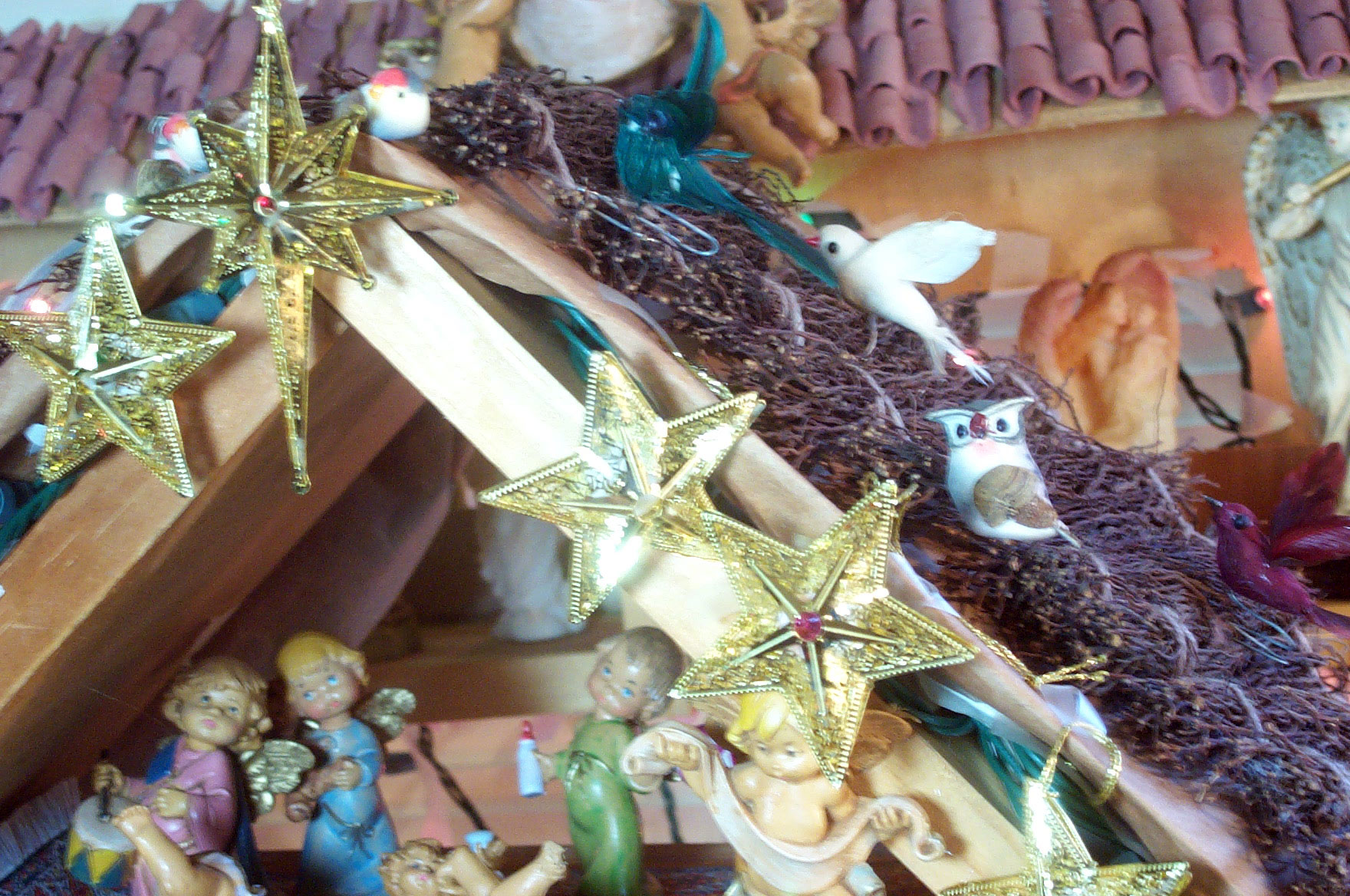
Estrella de Belen, con los pajaritos y buhos, adentro angles tocando el tambor y dando volteretas. |
|||||||||||||||||||
 |
|||||||||||||||||||
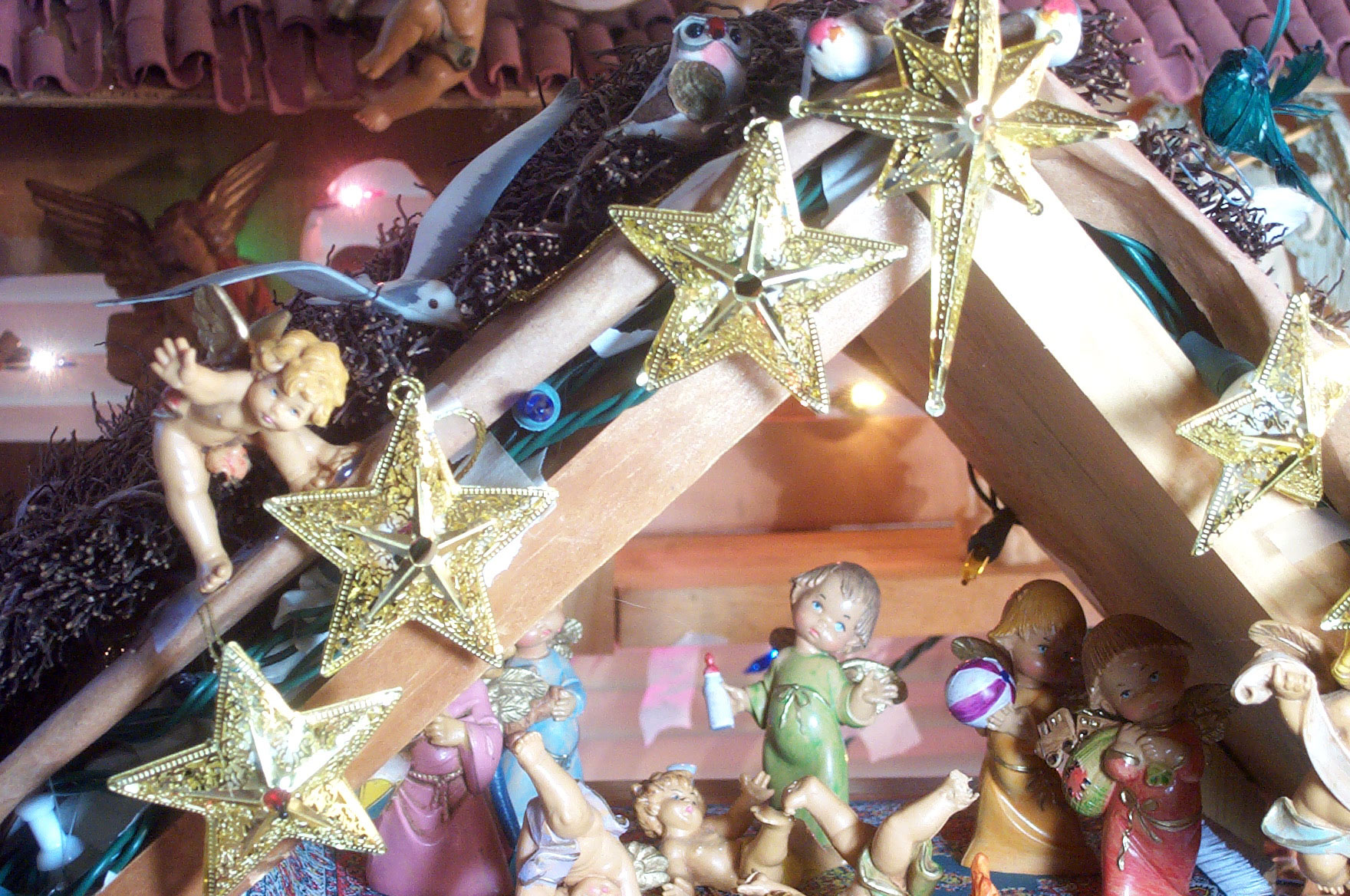
Angeles dando volantines |
|||||||||||||||||||
|
|||||||||||||||||||
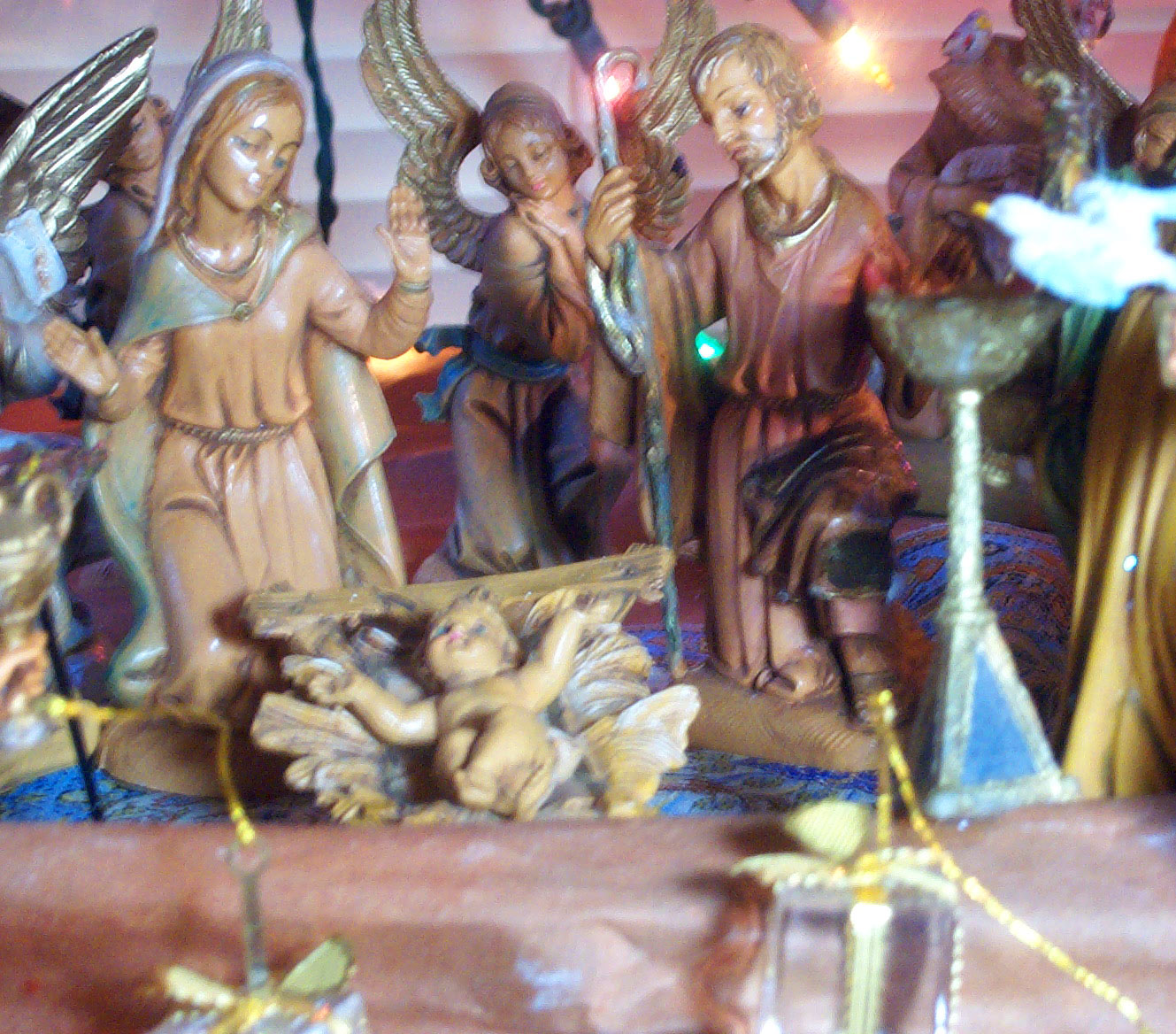 |
|||||||||||||||||||
Virgen, San Jose y el niño |
|||||||||||||||||||
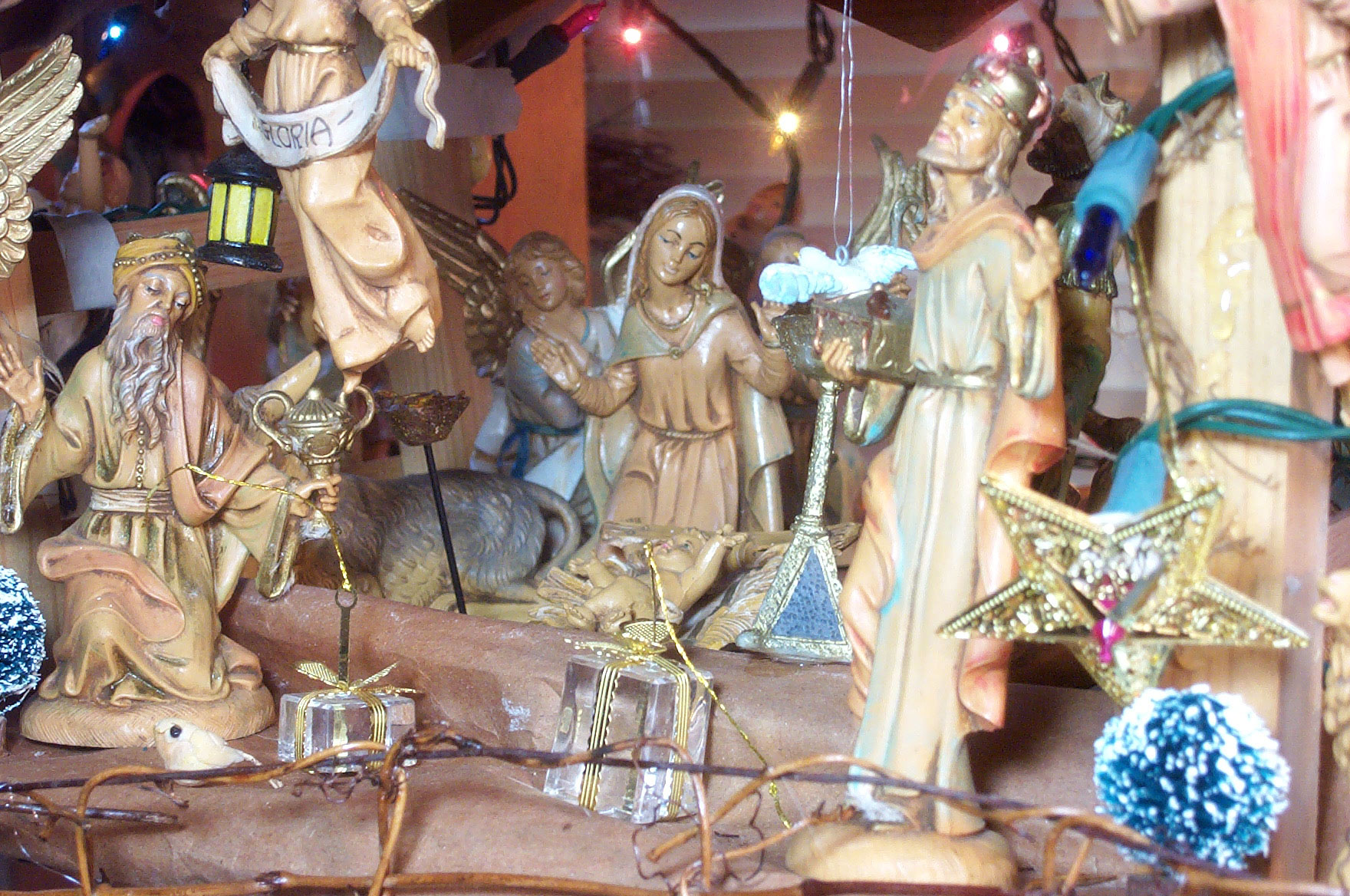 |
|||||||||||||||||||
Los reyes magos con los regalos, a la derecha de la Virgen se puede apreciar el burro |
|||||||||||||||||||
|
Launch in external player |
|
Pesebre Manger Belén Derechos Reservados
1976-2013 © Dra. Gloria M. Sánchez Zeledón de Norris, Yoyita.
Presione aquí
|
| pesebre | manger | creche | nacimiento | fontanini | crib manger| presepe | szopka | small crib | jaslice | vertep | nativity |
 Nativity
 Nacimiento
 Nativite
 Nöel
Nöel Bon Natale
 Natividad