
Send this page of Atelier Yoyita art gallery about tigers to a friend
Tigers
|
| Jackson Zoological Park • Tigers • Bears •
Black bear •
Giraffes • Eagles • Elephants • Zebras • Snakes • spiders • Monkeys • Peacock • Birds • Sun bear • Otters • Seagulls, lauguing gull • Doves • Parrots • Spider Monkeys • Rabbits • Toucan • Orangutan • Turtles • Iguana • Meerkats • Raccoons • Chihuahuas • Cats • Goose geese • Guardabarranco • |
 |
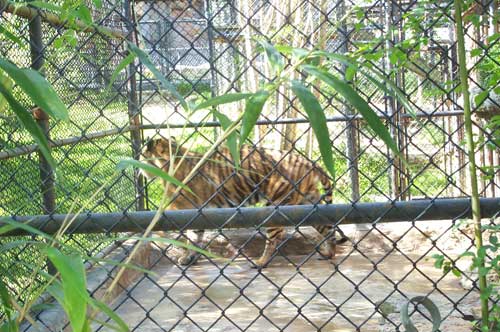 |
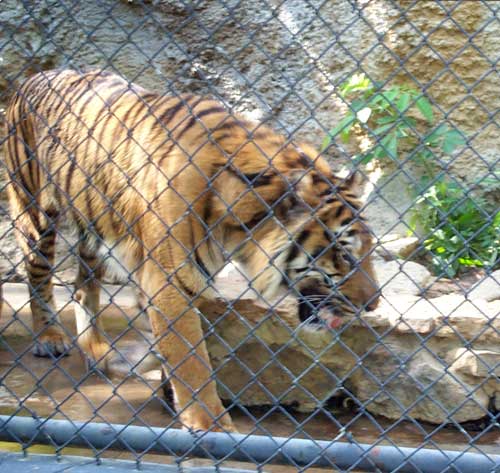
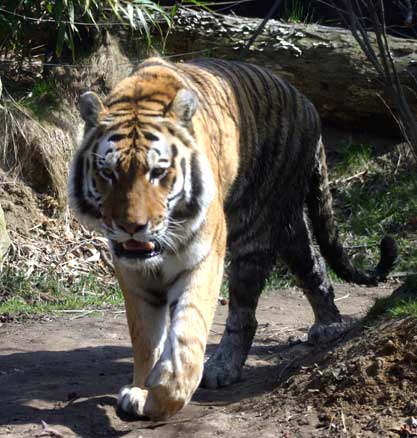
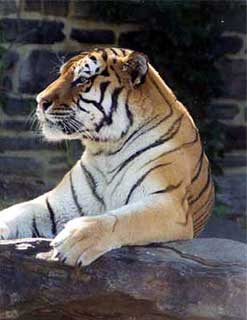
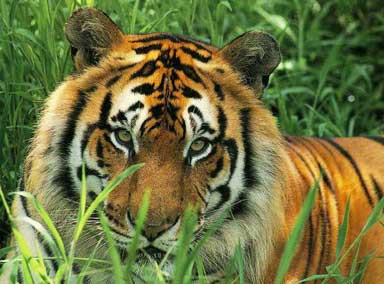
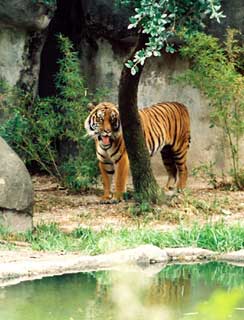
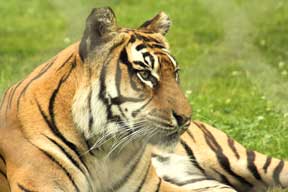
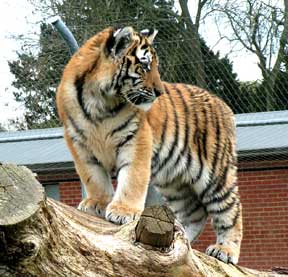
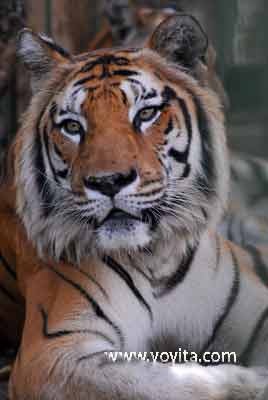
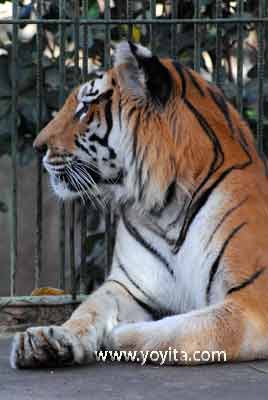
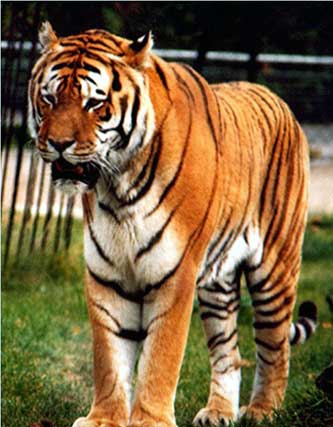
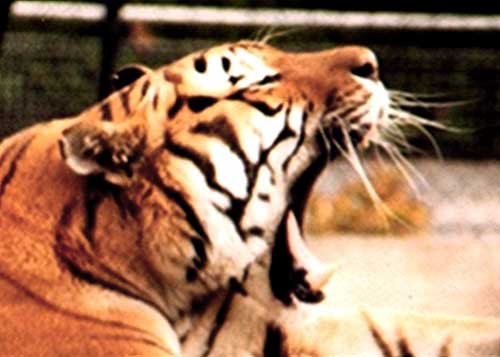
Kingdom: Animalia Phylum: Chordata Class: Mammalia Order: Carnivora Family: Felidae Genus: Panthera Species: P. tigris Tigers (Panthera tigris) are mammals of the Felidae family and one of four "big cats" in the panthera genus. They are predatory carnivores and the largest and most powerful of all living cat species. The Indian subcontinent is home to more than 80% of the wild tigers in the world. Tigers breed well in captivity, and the captive population in the United States may rival the wild population of the world. Tigers are recognized throughout the world for its ferocity and beauty, the tiger faces an uncertain future. Due to increases in both natural and human threats, as growing human populations, loss of habitat, illegal hunting of tigers and the species they hunt, and expanded trade in tiger parts used for traditional medicines, the wild tiger population suffered major losses during the 20th century and has become one of our most endangered species. Most tigers live in forests or grasslands, for which their camouflage is ideally suited, and where it is easy to hunt prey that is faster or more agile. Among the big cats, only the tiger and jaguar are strong swimmers; tigers are often found bathing in ponds, lakes, and rivers. Tigers hunt alone and eat primarily medium-sized herbivores such as deer, wild pigs, and buffalo. However, they will also take larger or smaller prey on occasion. Humans are the tiger's only serious predator, who often kill tigers illegally for their fur. Also, their bones and nearly all body parts are used in Chinese medicine for a range of purported uses including pain killers and aphrodisiacs. Poaching for fur and destruction of habitat have greatly reduced tiger populations in the wild, and it has been placed on the endangered species list. Tigers black stripes are more than just colored fur--they actually have black striped skin |
|
Jackson Zoological Park 2918 West Capitol St. Jackson, Mississippi |
|
| Tigers from other places | |
 |
 |
 |
 |
 |
 |
 |
 |
| Tigre de bengala Zoológico Nacional de Nicaragua |
Tigre de bengala Zoológico Nacional de Nicaragua |
 |
 |
Tigers Jackson Zoo Copyright 1976-2013 Dr. Gloria Norris.
Click
 to contact the artist for prices or information
 |
